Optimal Timing for Concrete Installations
Concrete installations are best scheduled during periods of stable weather conditions to ensure proper curing and durability. Temperature, humidity, and precipitation significantly influence the quality of the finished surface. Planning installations during favorable weather minimizes delays and reduces the risk of cracks or surface imperfections.
Spring and fall often provide optimal temperatures and lower humidity levels, making them suitable for concrete installations.
Temperatures between 50°F and 85°F support proper curing. Extremes outside this range can hinder setting times and strength development.
Rain, snow, and freezing temperatures can compromise concrete integrity, leading to surface defects and reduced strength.
Carlsbad experiences mild winters and warm, dry summers, making late spring and early fall ideal for concrete projects.
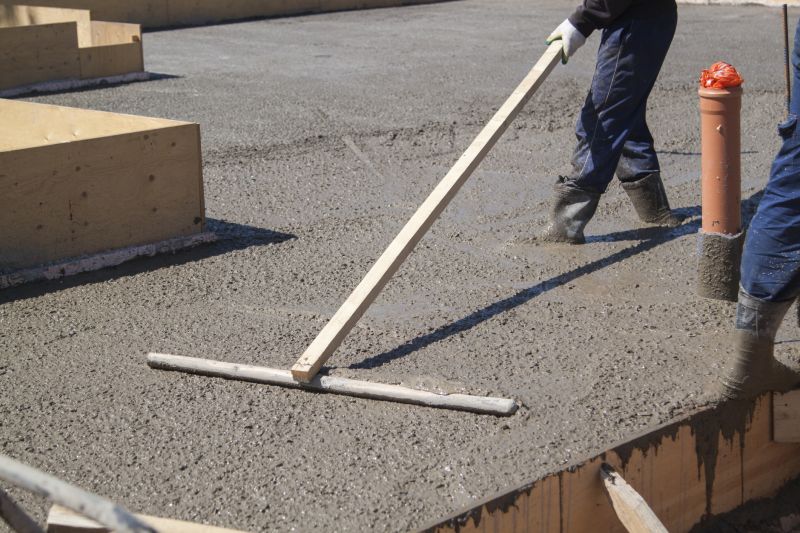
Ways to make Concrete Installations work in tight or awkward layouts.
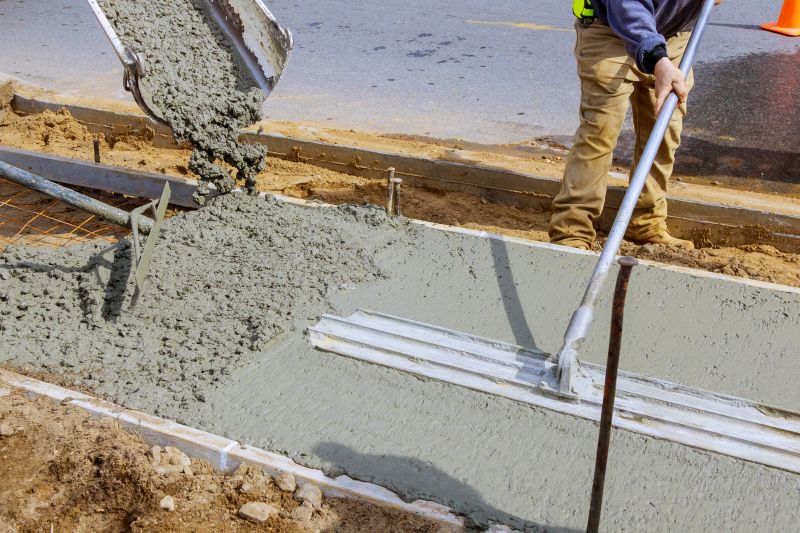
Popular materials for Concrete Installations and why they hold up over time.
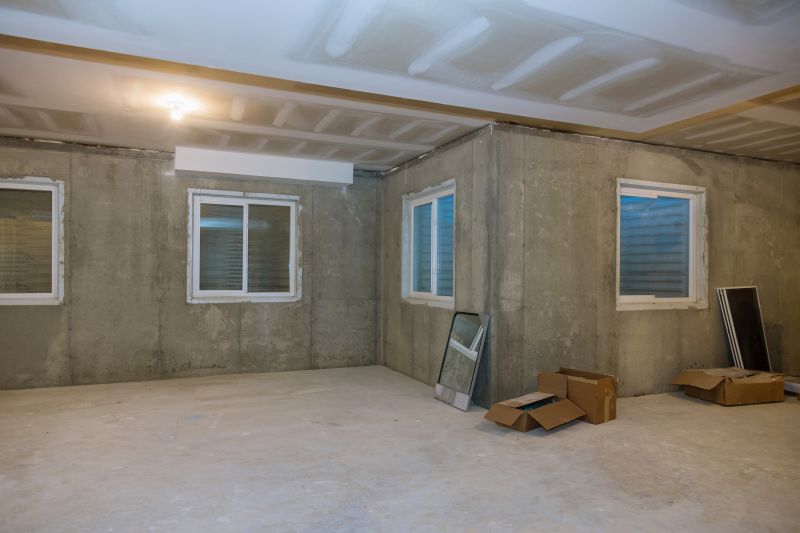
Simple add-ons that improve Concrete Installations without blowing the budget.
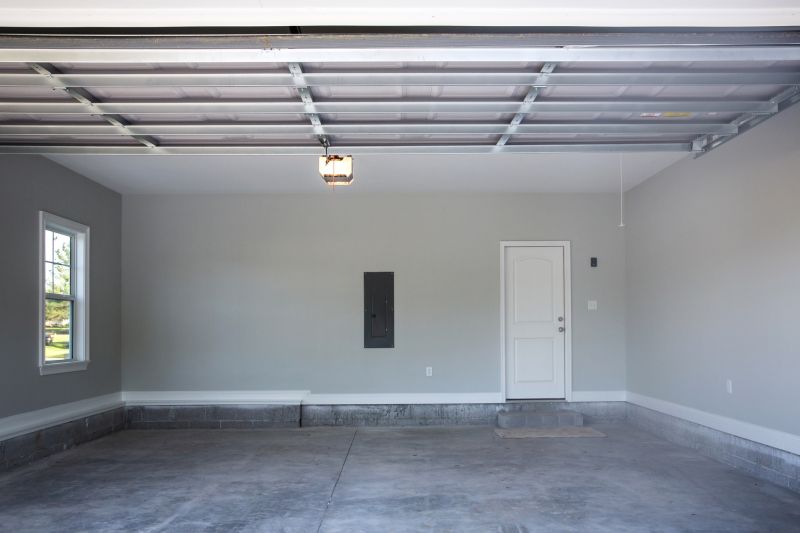
High-end options that actually feel worth it for Concrete Installations.
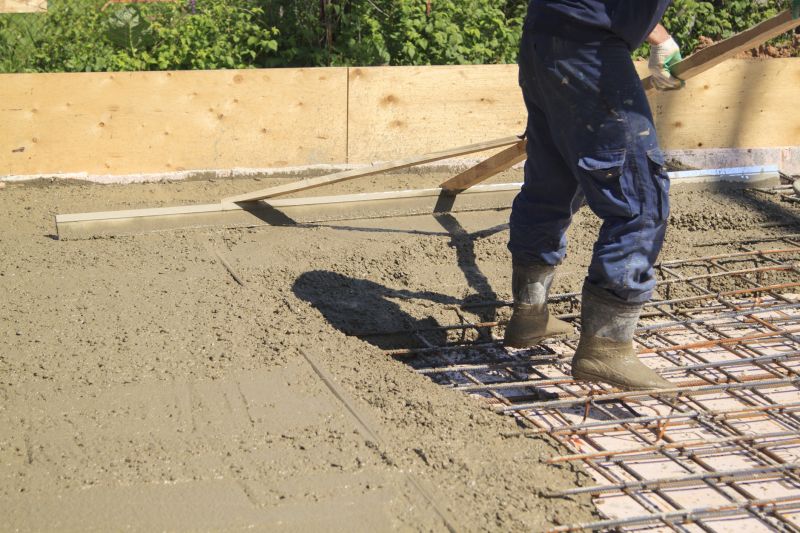
Finishes and colors that play nicely with Concrete Installations.
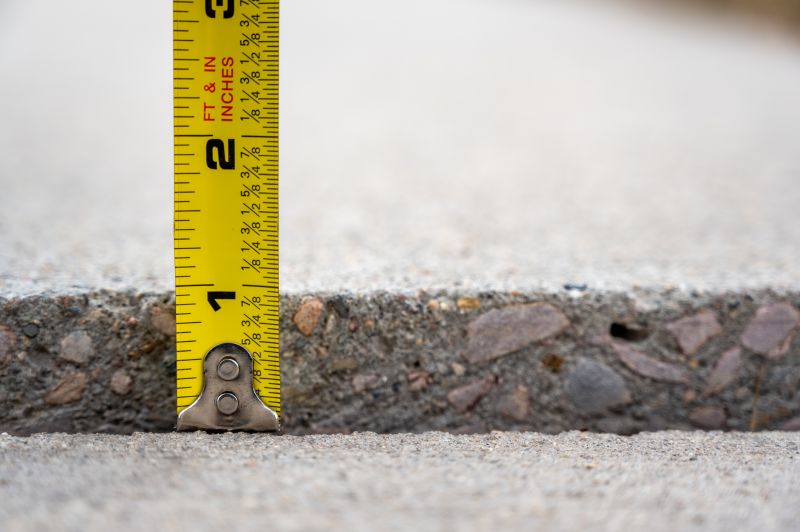
Little measurements that prevent headaches on Concrete Installations day.
| Season/Condition | Recommended Actions |
|---|---|
| Spring | Schedule during mild, dry days with temperatures between 50°F and 75°F. |
| Summer | Avoid peak heat; early mornings or late afternoons are preferable. |
| Fall | Ideal for concrete work due to cooler temperatures and lower humidity. |
| Winter | Generally not recommended unless temperatures stay above freezing. |
| Rainy or freezing days | Postpone until conditions improve. |
Concrete installations require careful timing to achieve optimal results. Proper planning based on climate and weather forecasts can prevent common issues such as cracking, surface imperfections, and delayed curing. In Carlsbad, the climate's mild winters and warm, dry summers provide favorable conditions for most of the year, with late spring and early fall being particularly suitable.
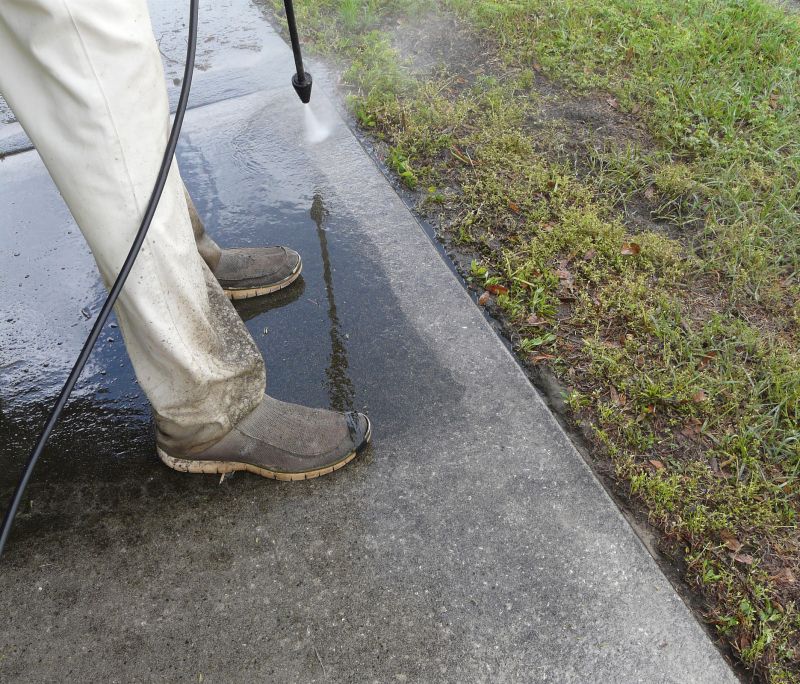
A 60-second routine that keeps Concrete Installations looking new.
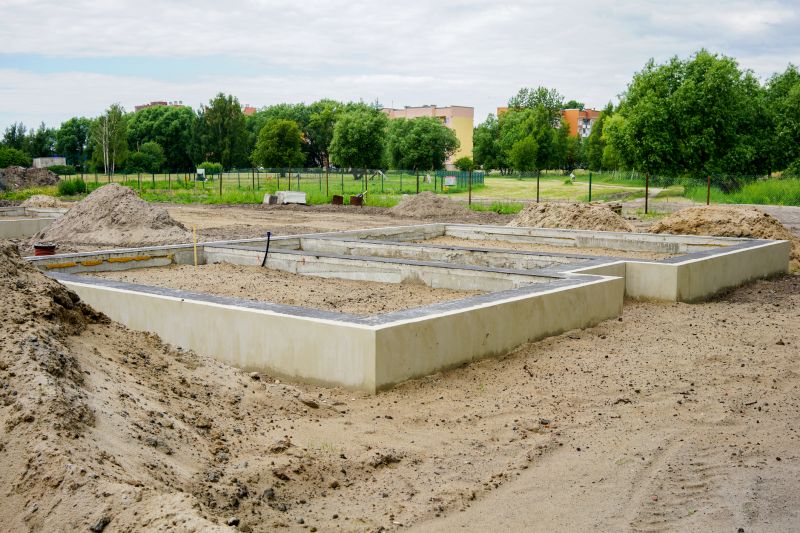
A frequent mistake in Concrete Installations and how to dodge it.
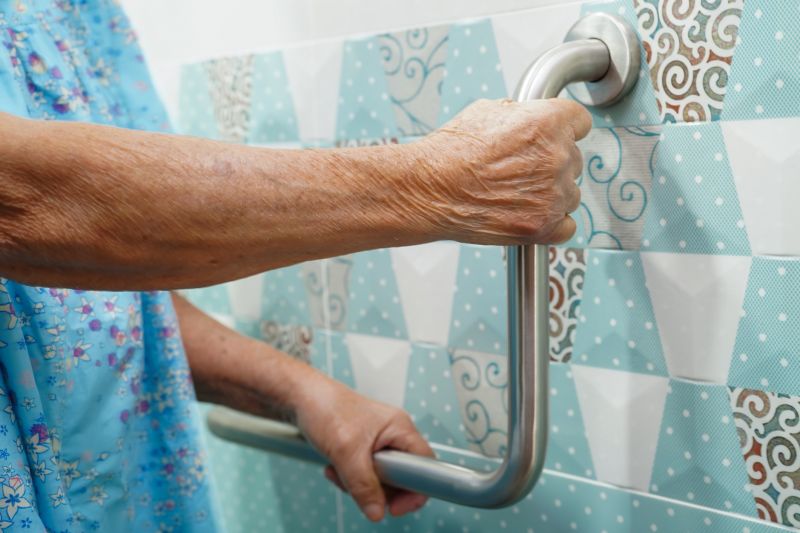
Small tweaks to make Concrete Installations safer and easier to use.
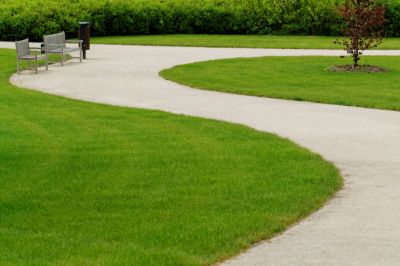
Lower-waste or water-saving choices for Concrete Installations.
Interested parties are encouraged to contact for further details or to discuss scheduling options. Ensuring the right timing can enhance the durability and appearance of concrete projects, making professional planning essential for successful installations.