
Ultimate Guide to Products For Concrete Installation Projects
Learn about essential products that help you achieve professional results, from mixing and pouring to finishing and curing.
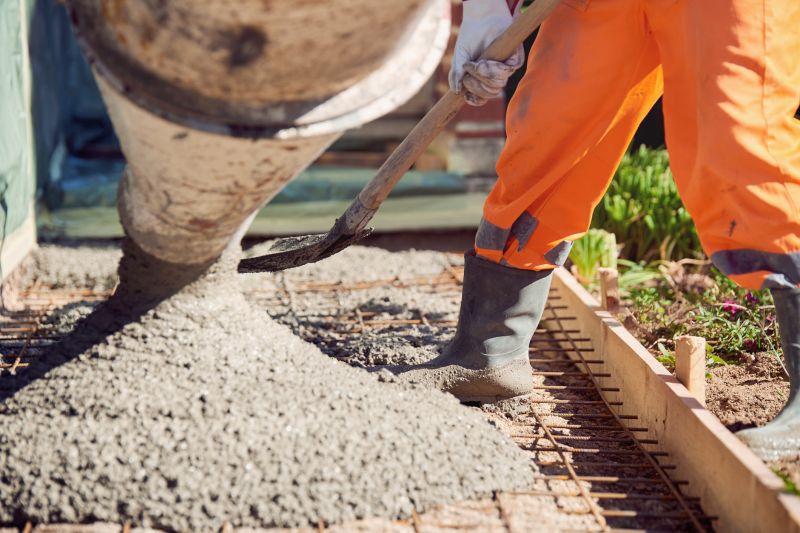 Concrete installations are a fundamental aspect of many construction and renovation projects in Carlsbad, CA. From residential driveways and walkways to commercial flooring and decorative surfaces, selecting the right products ensures durability and a professional finish. The process involves various stages, including preparation, mixing, pouring, curing, and finishing, each requiring specific tools and materials. Proper selection of these products can significantly influence the longevity and appearance of the finished concrete structure.
Top Overall Option
Concrete Adhesives and Sealants
Concrete adhesives and sealants are versatile products that help bond, seal, and protect concrete surfaces. They are essential for filling gaps, preventing water infiltration, and enhancing surface durability. These products are widely used in various applications, including repairs, joint sealing, and surface finishing, making them a reliable choice for many concrete projects in Carlsbad, CA.
Types of Products For Concrete Installations
Concrete Mixes
Pre-mixed or custom-blended concrete mixes tailored for specific load-bearing or aesthetic needs.
Reinforcing Mesh and Rebar
Steel reinforcement materials used to strengthen concrete structures and prevent cracking.
Form Release Agents
Products applied to molds to ensure easy removal and smooth concrete surfaces.
Concrete Sealers
Protective coatings that enhance durability and appearance by sealing the surface against moisture and stains.
Curing Compounds
Chemicals that help retain moisture during curing, promoting proper hardening and strength development.
Waterproofing Membranes
Materials designed to prevent water penetration in below-grade or exposed concrete surfaces.
Surface Finishing Tools
Trowels, floats, and brushes used to achieve desired surface textures and smoothness.
Concrete Dyes and Stains
Coloring agents used to add decorative elements to concrete surfaces.
Expansion Joints
Materials that allow for movement and prevent cracking due to thermal expansion and contraction.
Patch and Repair Products
Specialized compounds for fixing cracks, holes, or surface damage in existing concrete.
Vapor Barriers
Sheets or coatings that prevent moisture vapor transmission through concrete slabs.
Anchor Bolts and Fasteners
Hardware used to secure fixtures and structural elements to concrete surfaces.
Concrete Admixtures
Additives that modify properties like setting time, workability, and strength.
Grinding and Polishing Equipment
Tools used to refine and finish concrete surfaces for a smooth, polished appearance.
Decorative Aggregates
Materials such as stones or glass added to concrete for aesthetic effects.
Popular Choices
Absorbent covers that help retain moisture during curing, suitable for various project sizes.
Concrete mixes enhanced with polymers for increased adhesion and flexibility.
Durable coatings that provide a glossy, protective surface ideal for industrial or garage floors.
Products that create smooth, flat surfaces over uneven concrete slabs.
Synthetic or steel fibers added to concrete to improve crack resistance.
Adhesives that improve the bond between old and new concrete surfaces.
Tools and release agents used to create decorative patterns and textures.
Equipment designed for creating clean, defined edges on concrete surfaces.
Machinery suitable for mixing large batches of concrete efficiently.
Tools used to eliminate air pockets and ensure proper compaction of concrete.
Chemicals that delay surface setting to reveal decorative aggregate patterns.
Surface treatments that enhance traction on concrete walkways and ramps.
Flexible materials used to seal expansion and control joints effectively.
Hardware for attaching fixtures securely to concrete surfaces.
Powdered or liquid products that add color and improve surface durability.
Flexible sealants ideal for sealing joints and cracks in concrete surfaces.
Abrasive tools used to smooth and prepare concrete surfaces for finishing.
Molds used to imprint patterns and textures onto freshly poured concrete.
In recent years, advancements in concrete technology have introduced a variety of specialized products designed to improve installation quality and ease of use. These include high-performance additives, sealants, curing compounds, and reinforcement materials. Whether you're a DIY enthusiast or a professional contractor, understanding the different product options available can help you achieve optimal results. It is also important to consider environmental conditions such as moisture, temperature, and the specific application to choose the most suitable products.
Maintaining the integrity of concrete installations over time involves using products that withstand wear, resist cracking, and provide aesthetic finishes. Proper application techniques and product compatibility are crucial to avoid issues like surface scaling, uneven curing, or premature deterioration. Consulting with local suppliers in Carlsbad, CA, can provide insights into the best practices and products suited for the area's climate and typical project requirements. Overall, investing in quality products tailored for concrete installations can lead to more durable, attractive, and functional surfaces.
Key Buying Considerations
- Identify the specific application and select products suited for that purpose.
- Consider the environmental conditions of the site, including moisture and temperature.
- Check product compatibility with existing materials or previous installations.
- Evaluate the curing time and working window to fit your project schedule.
- Determine the required strength and durability based on load and usage.
- Assess ease of application and whether specialized tools are needed.
- Review the surface finish desired, such as smooth, textured, or decorative.
- Ensure products meet relevant safety standards and manufacturer guidelines.
- Factor in long-term maintenance requirements and product longevity.
- Consider the size and scope of your project to choose appropriately scaled products.
- Look for products that offer clear instructions and technical support if needed.
- Verify availability of replacement or supplementary products for future repairs.
- Assess the cost-effectiveness relative to project budget and expected results.
- Research local supplier reputation and customer reviews for reliability.
- Determine if the product is suitable for indoor or outdoor use, considering exposure.
This content contains affiliate links and may earn commissions from qualifying purchases. All product suggestions are based on general suitability for concrete installations and do not constitute endorsements.